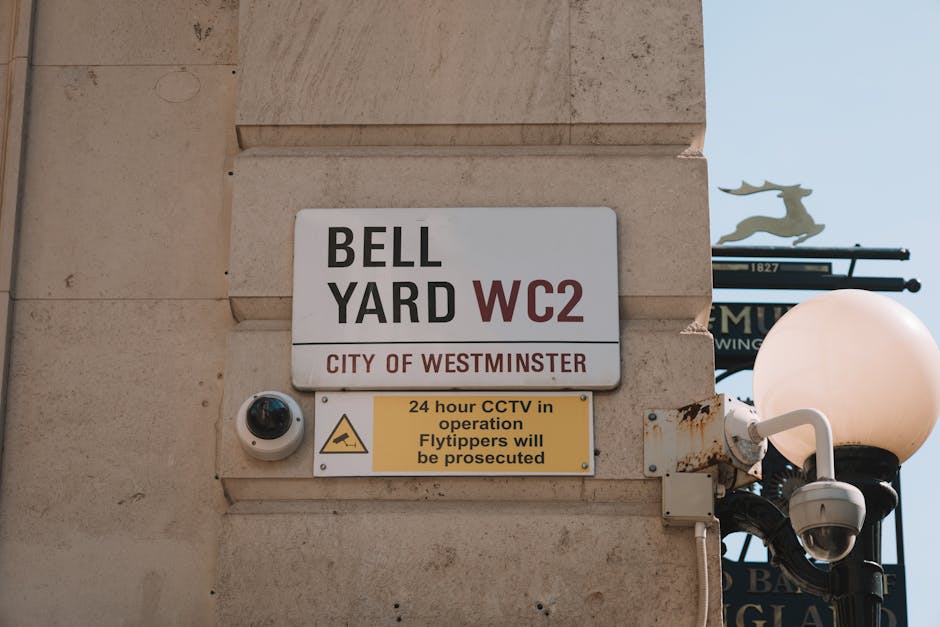
Skip permits and fines near Mayfair: City of Westminster

If you are planning building work, a clear-out, or a big spring declutter near Mayfair, one small detail can become an expensive headache: skip permits and fines near Mayfair: City of Westminster. In central London, space is tight, roads are busy, and rules about placing a skip on the public highway are taken seriously. That means a quick decision about waste disposal can turn into delays, extra charges, or a fine if you get it wrong.
This guide explains how skip permits work in Westminster, why they matter near Mayfair, what usually causes fines, and how to stay on the right side of the process. We will also cover practical alternatives, compliance basics, and the sort of planning that saves time, money, and a fair bit of stress. Truth be told, it is usually the boring admin that causes the biggest mess.
Why skip permits and fines near Mayfair matter
Mayfair sits right in the middle of one of the most tightly controlled parts of London, so waste management is not something to leave until the last minute. If a skip needs to sit on a public road, pavement, or other highway area in the City of Westminster, a permit is typically part of the picture. Without it, you risk enforcement action, a penalty, or being told to remove the skip immediately.
This matters for two reasons. First, the direct cost of a fine can be unpleasantly high. Second, the indirect cost is often worse: work stops, trades are delayed, and rubbish starts piling up where it should not. A skip parked badly can also block access for neighbours, delivery drivers, or emergency routes. In Mayfair, where footfall, traffic, and premium properties all meet, that sort of obstruction gets noticed fast.
There is also a reputation angle. If you are a contractor, landlord, managing agent, or homeowner overseeing work in the area, poor waste planning looks sloppy. A tidy site helps keep everything calm. A messy one creates friction before the real job has even started.
Key takeaway: the permit is not just paperwork. It is part of the practical setup that keeps your project moving and reduces the chance of avoidable fines.
How skip permits in Westminster work
In simple terms, the need for a skip permit depends on where the skip will sit. If it is placed entirely on private land, such as a driveway or secure yard, a permit may not be needed. If it has to go on the public highway, the local authority permission process usually comes into play. Westminster is known for careful control of street use, so assumptions are risky here.
The process normally starts before the skip arrives. The skip supplier or waste contractor may arrange the permit on your behalf, but you should never assume that will happen automatically. Ask the question clearly: is the permit included, who is applying, and when will approval be in place? Small detail, big difference.
Fines near Mayfair often happen when people think a skip can be dropped for "just a few hours". In practice, if it is on the highway without permission, that short window may be enough to trigger enforcement. The same goes for placing it outside the agreed area, overstaying the permit period, or failing to display the correct signage and safety markings.
Typical rules and expectations you should be prepared for include:
- the skip must not create an unsafe obstruction
- lighting and reflective markings may be required
- the placement area should be suitable for the size and weight of the skip
- permits are usually time-limited
- extensions may need further approval
If the project is part of a broader property refresh, it can help to pair waste planning with cleaning or clearance work. For example, a house clearance or house cleaning job may create waste streams that are easier to handle if the schedule is mapped properly from day one. That is one of those unglamorous wins people only appreciate afterwards.
Key benefits and practical advantages
Getting skip permits right does more than keep the council happy. It makes the whole project smoother. That sounds obvious, but in busy central London, smooth is valuable.
- Fewer delays: you are less likely to face an unplanned removal or enforcement visit.
- Better budgeting: permits, collections, and waste handling are easier to estimate upfront.
- Cleaner site management: rubbish is contained, not scattered across rooms or corridors.
- Reduced risk to neighbours and pedestrians: especially important near narrow streets and shared access routes.
- Less stress for contractors and residents: fewer last-minute phone calls, fewer awkward surprises.
There is also a practical cleanliness advantage. If you are carrying out decorating, after-builders work, or a major reset of a property, a properly planned waste solution prevents debris from getting walked back indoors. Pairing skip planning with a professional after builders cleaning or deep cleaning schedule can make the final result feel much more complete. You will notice the difference immediately, especially in the hallway and on hard floors.
And yes, a tidy exterior matters too. In a place like Mayfair, even the sound of a metal skip being dropped at the wrong hour can feel like a small event. Best avoided.
Who this is for and when it makes sense
Skip permits and fines near Mayfair are relevant to more people than you might expect. This is not just for builders. If waste is going out in volume, the issue can appear in all sorts of everyday scenarios.
- Homeowners: during renovations, moves, or large decluttering jobs.
- Landlords and letting agents: after tenant move-outs or refurbishments.
- Contractors: when managing building waste, packaging, timber, plasterboard, or rubble.
- Facilities teams: for office refurbishments and office clear-outs.
- Property managers: when coordinating work across one or more units.
If the job involves regular servicing or a lighter refresh, a skip may not even be the best option. In some cases, a targeted clean such as office cleaning, end of tenancy cleaning, or one off cleaning can reduce the amount of waste created in the first place. That is not glamorous, but it is efficient.
One simple question helps here: do you really need a skip, or do you need a better plan? Sometimes a combination of bagged waste, scheduled collections, and careful sorting works better than dropping a skip outside a busy Mayfair street. To be fair, the answer often depends on the size of the job and the access available.
Step-by-step guidance
If you want to avoid fines and delays, work through the process in order. Rushing this part is where people usually trip up.
- Confirm the exact placement location. Private land or public highway makes a huge difference.
- Measure the available space. Skip size should match the site, not the other way around.
- Ask who is responsible for the permit. Do not assume the skip hire company will handle it unless they say so clearly.
- Check the timing. Make sure approval is in place before delivery.
- Plan the waste type. Mixed waste, heavy builder's waste, and recyclable materials may need different handling.
- Arrange safe access. Keep access clear for the delivery lorry and later collection.
- Display required notices or markings. If the placement requires them, do not leave it to chance.
- Monitor the hire period. Keep an eye on expiry dates and extension needs.
- Book collection early. A skip left too long can become an eyesore and an enforcement risk.
Here is the sort of rhythm that works well in practice: confirm the space, sort the waste, lock in the timing, then book the clean-up. That sequence saves a lot of back-and-forth later. If the property is being returned to a presentable condition, you might also combine the waste plan with services like domestic cleaning or one off cleaning so the final handover feels properly finished.
One small but useful habit: take a photo of the intended placement area before delivery. It sounds almost too simple, but it helps if there is any dispute about space or access. A tiny admin trick, yet surprisingly handy.
Expert tips for better results
In our experience, the projects that run well near Mayfair are the ones where the waste plan is treated as part of the job, not an afterthought. A few grounded tips make a real difference.
- Use the smallest skip that genuinely fits the waste. Oversizing can create unnecessary costs and placement issues.
- Keep heavy materials separate if possible. Bricks, soil, and plaster can change the cost and the fill strategy.
- Reserve space around the skip. A cramped placement makes loading harder and slows everything down.
- Check nearby access times. Deliveries, school runs, loading bays, and resident parking can all complicate things.
- Plan for the finish. A skip is only one part of the job; the site still needs a proper clean once the waste is gone.
If you are working inside a flat, townhouse, or office building, think about how waste moves through the property. Hallways, lifts, front steps, and shared entrances can all become pinch points. A sensible plan keeps dirty materials moving out without dragging dust back in. It sounds minor. It is not minor.
Another practical point: if the work involves carpets, upholstery, or floors, schedule the final clean after the dustiest stage. Services such as carpet cleaning, upholstery cleaning, window cleaning, or hard floor cleaning are much more effective once the mess from the works has settled. Common sense, really, but it gets overlooked.
Common mistakes to avoid
Most fines and frustrations come from a few repeat mistakes. The good news is that they are avoidable.
- Leaving permit checks until delivery day. This is probably the most common issue.
- Assuming private-looking space is private land. In Westminster, appearances can be misleading.
- Overfilling the skip. That can create safety problems and collection issues.
- Mixing restricted waste with general waste. Some loads need special handling.
- Parking the skip too close to access routes. Neighbours and pedestrians need a safe way through.
- Ignoring expiry dates. Time limits matter, even if the skip is half full.
There is also the classic "someone else is handling it" mistake. Maybe the builder said the hire company would sort it. Maybe the landlord assumed the agent would. Maybe the office manager thought facilities had it covered. Then Monday arrives and nobody has booked anything. Painful. But common.
A better approach is to give one named person the final responsibility. Just one. Not five people half-managing it over email.
Tools, resources and recommendations
You do not need a complicated system to stay organised, but you do need a few reliable habits and documents. The right setup makes the whole thing easier to control.
- Site photos: useful for checking dimensions and access before delivery.
- Basic measurement notes: width, length, overhead clearance, and road restrictions if relevant.
- Project timeline: useful if the skip needs to arrive after demolition but before final cleaning.
- Waste sorting list: helps separate recyclables, bulky items, and general rubbish.
- Booking confirmation: keep the permit and hire details in one place.
For broader project planning, it can also help to review a service provider's pricing and quotes, terms and conditions, and health and safety policy so you know what is included and what is not. If you are using outside help, looking at about us and insurance and safety information is sensible too. It is not the exciting part of the job, but it is the part that protects you from awkward surprises.
If the waste includes old furniture, damaged decor, or a full property clear-out, a professional house clearance may be a cleaner option than a standalone skip. For smaller jobs, using a cleaning company with flexible support can sometimes be the more practical route. Depends on the scale, of course.
Law, compliance and best practice
Skip permits and fines near Mayfair sit within the wider framework of local highway control, waste handling, and site safety. While the details can vary depending on the exact location and the current council process, the safest approach is straightforward: do not place a skip on the highway unless the proper permission has been arranged.
Best practice usually means checking the following:
- whether the skip is on private land or public highway
- whether the permit is active for the full hire period
- whether the placement blocks sightlines, walkways, or access
- whether the skip is marked clearly enough for low-light conditions
- whether the waste load matches the type of skip hired
If you are working near a busy road or shared residential entrance, compliance becomes more than a legal box-tick. It is a courtesy to everyone using the space. In a place like Mayfair, that matters. People notice whether a site is being run with care.
Also worth saying: if you are unsure, ask before placing the skip. A quick check is far cheaper than a mistake. No drama, no guessing.
Options and comparison table
Not every project needs the same waste solution. Here is a simple comparison to help you think clearly.
| Option | Best for | Pros | Watch-outs |
|---|---|---|---|
| Skip on private land | Homes or premises with enough secure space | Usually simpler, fewer permit issues | Still needs safe access and correct sizing |
| Skip on public highway | Sites with no private loading area | Convenient for larger waste volumes | Permit needed, plus closer compliance checks |
| House clearance service | Bulky domestic removals or full clear-outs | Less onsite handling for the customer | May not suit mixed building waste |
| Targeted cleaning instead of heavy disposal | Light refurbishments, move-outs, or refresh jobs | Can reduce waste and speed up the finish | Not a replacement for construction waste removal |
The right choice depends on access, volume, and the type of work. If your job is mostly dust, packaging, and end-stage tidying, a heavy waste solution may be overkill. If you are ripping out old fittings, not so much. That is where a sensible mix of services, including office cleaners or home cleaners after the main works, can help bring the space back to normal without making a bigger job out of it.
Case study or real-world example
A typical Mayfair scenario goes like this. A flat is being refreshed between tenancies. The team expects only a few bags of waste, but once old shelving, packaging, broken fixtures, and odds and ends are gathered, the amount is much larger than planned. The pavement outside is narrow, the street is busy in the morning, and a skip arrives without the permit being confirmed first.
The result? A complaint from a neighbour, a scramble to fix the paperwork, and a delay in finishing the clean. Nothing dramatic, but very inconvenient. The final handover slips by a day, and everyone is slightly annoyed. The sort of annoyance that sticks in your shoulders for the rest of the afternoon.
Now compare that with a better version. The permit is checked in advance. The skip size is chosen carefully. Waste is sorted as the work progresses. Once the skip is removed, the team finishes with end of tenancy cleaning and a final detail clean. The property is ready sooner, the street stays clear, and nobody has to chase avoidable paperwork. Much better.
That is the real value here: not just avoiding fines, but keeping the whole project calm.
Practical checklist
Use this before you book a skip near Mayfair.
- Have you confirmed whether the skip will sit on private land or the highway?
- Have you checked whether a permit is needed for Westminster?
- Do you know who is arranging the permit?
- Is the permit approved before the skip is delivered?
- Have you chosen the right skip size for the actual waste volume?
- Have you allowed for safe access and collection?
- Are you clear on the hire period and any extension process?
- Have you considered whether a clearance or cleaning service would reduce the load?
- Are you keeping the paperwork, booking details, and site photos together?
- Do you have a plan for final cleaning after the waste is gone?
If you can answer yes to most of those, you are already ahead of many people. No fuss, just fewer problems later.
Get a free quote today and see how much you can save.
Conclusion
Skip permits and fines near Mayfair are not something to wing. In the City of Westminster, the combination of tight streets, active enforcement, and busy property use means small mistakes can become costly quickly. The good news is that the fix is straightforward: check the location, confirm the permit, plan the timing, and keep the waste process tidy from start to finish.
If your project is already feeling a bit chaotic, take a breath and bring it back to basics. One clear plan is better than three rushed ones. And once the waste is under control, the rest of the work tends to fall into place more easily than you expect. That is usually how these things go.
A clean, compliant project in Mayfair is not just possible. With a little care, it is completely manageable - and that is a relief worth having.
Frequently Asked Questions
Do I need a permit for a skip near Mayfair?
If the skip is going on a public road or other highway area in Westminster, a permit is typically required. If it sits entirely on private land, it may not be needed. The location is the deciding factor, so check that first.
Who usually applies for the skip permit?
Often the skip hire company handles it, but not always. Do not assume. Make sure it is confirmed in writing so there is no confusion on delivery day.
What causes fines for skips in central Westminster?
Common causes include placing a skip without permission, leaving it out after the permit expires, blocking access, or failing to meet safety expectations. Small mistakes can still lead to enforcement.
Can I put a skip outside my property for a few hours without a permit?
No, not safely. Even short periods can create problems if the skip is on the highway without permission. In busy parts of Mayfair, it is not worth gambling on timing.
How far in advance should I arrange a permit?
As early as possible. Leave enough time for approval before the skip is delivered. Tight deadlines create unnecessary risk, especially if your project dates are fixed.
What if I am not sure whether the space is private land?
Check before booking. Boundary lines, shared access areas, and forecourts can be misleading. If there is any doubt, treat it as a permit question until proven otherwise.
Is a bigger skip always better?
Not really. A bigger skip can cost more and may be harder to place safely. The right size is the one that fits the waste and the site, not simply the biggest available.
Can I mix building waste with household rubbish?
Sometimes mixed loads are possible, but certain materials may need separate handling. It is best to ask the hire provider before loading anything unusual, especially heavy or restricted items.
What should I do if my skip permit runs out?
Contact the provider immediately and arrange an extension or collection. Do not leave the skip in place and hope for the best. That is how avoidable fines happen.
Are skips the best option for every clearance job?
No. For some jobs, a house clearance or a more targeted cleaning plan may be easier and cheaper. It depends on how much waste there is and how quickly you need the space back.
How can I keep the site tidy while the skip is in use?
Load waste steadily, keep the surrounding area swept, and avoid overfilling. If the job is dusty or involves interior work, follow up with services such as carpet cleaner support, oven cleaning, or cleaner support so the property ends up genuinely presentable.
What is the simplest way to avoid skip fines near Mayfair?
Confirm the permit before delivery, keep the skip within the approved terms, and make sure the placement does not create an obstruction. Simple answer, but it works. A bit of planning up front saves a lot of grief later.