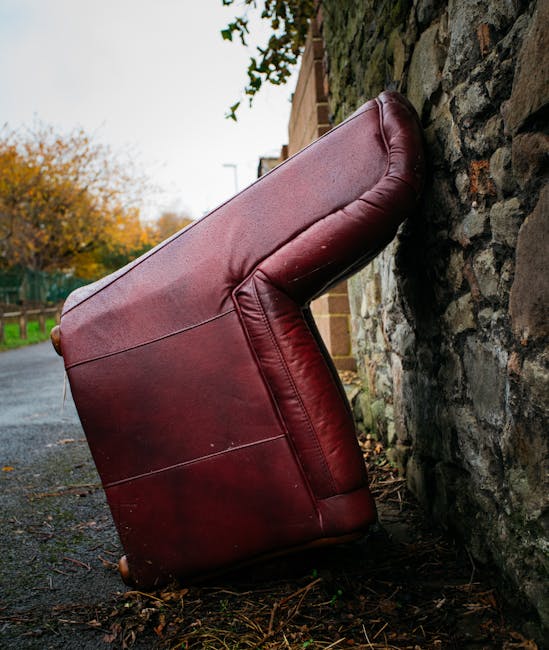
Westminster Council rules on upholstery waste in Mayfair
If you are dealing with an old sofa, chair, footstool, or other upholstered item in Mayfair, the disposal question can become fiddly fast. Westminster Council rules on upholstery waste in Mayfair are not difficult once you understand the basics, but the difference between a smooth pickup and a wasted journey often comes down to preparation. One loose cushion, a torn cover, or the wrong collection method can change what is accepted and how it must be handled.
In a neighbourhood like Mayfair, that matters even more. Space is tight, bin stores are small, access can be awkward, and nobody wants bulky furniture sitting in a hallway or outside a block for longer than necessary. This guide breaks down what upholstery waste means, how local disposal usually works, the common mistakes people make, and the best practical route if you want the job done properly the first time.
To make things easier, we have also included a simple checklist, a comparison table, and answers to the most common questions people ask before arranging removal. If you are also planning a broader clean, you may find it useful to look at our deep cleaning, house clearance, or one-off cleaning pages as part of a wider refresh.
Table of Contents
- Why Westminster Council rules on upholstery waste in Mayfair matters
- How Westminster Council rules on upholstery waste in Mayfair works
- Key benefits and practical advantages
- Who this is for and when it makes sense
- Step-by-step guidance
- Expert tips for better results
- Common mistakes to avoid
- Tools, resources and recommendations
- Law, compliance, standards, or best practice
- Options, methods, or comparison table
- Case study or real-world example
- Practical checklist
- Conclusion
- Frequently Asked Questions
Why Westminster Council rules on upholstery waste in Mayfair Matters
Upholstered waste is one of those categories people assume is simple until it is not. A sofa looks harmless enough, but from a disposal point of view it is bulky, awkward, and often mixed-material. Fabric, foam, timber, webbing, metal springs, and sometimes removable legs all need handling in a way that fits local collection rules and site logistics.
For Mayfair residents and businesses, the rules matter for three practical reasons. First, councils and waste contractors usually want upholstered items separated and presented correctly. Second, poor presentation can lead to missed collections, fines in some circumstances, or complaints from neighbours and building managers. Third, many developments in central London have stricter internal procedures than a typical house on a suburban street. In other words, the building itself may be just as important as the council guidance.
Let's face it: nobody wants a bulky armchair blocking a service corridor while people are trying to get on with their day. There is also a hygiene angle. Old upholstery can hold dust, pet hair, odours, allergens, or even damp. If it has come from a property being prepared for sale or end of tenancy, the disposal decision affects the next stage of the job too. That is where services like end of tenancy cleaning and upholstery cleaning often sit alongside waste removal in a practical plan.
Expert summary: The safest approach is to treat upholstered waste as a bulky item that needs the right preparation, the right access plan, and the right disposal route. Most problems come from rushing the last bit.
How Westminster Council rules on upholstery waste in Mayfair Works
Exact collection arrangements can change, so it is always wise to confirm current council instructions before you book anything. That said, the general pattern is fairly consistent across London: upholstered household furniture is usually treated as bulky waste, and the way it is collected depends on the item, the property type, and whether it is being collected from the kerbside, an estate, or via a private contractor.
In practical terms, the process usually works like this:
- Identify the item - Is it a sofa, a mattress-top chair, an upholstered bed base, or a mixed bulky item with fabric and foam?
- Check local rules - Some collections require pre-booking, some have presentation requirements, and some limit what is accepted.
- Prepare the item - Remove loose cushions, detach legs where possible, and keep access routes clear.
- Place it correctly - Many buildings require items to be taken to a designated collection point, not left on the pavement without approval.
- Arrange a compliant collection - If the council route is not suitable, a licensed waste service or clearance team is usually the next sensible step.
That sounds straightforward, and mostly it is. The snag is that upholstery waste often sits at the intersection of council rules, building rules, and waste carrier requirements. For example, in a managed apartment block in Mayfair, the concierge may allow collection only at set times. In a townhouse, access might be tight enough that a two-person lift is the difference between a calm job and a scratched wall. Small details. Big difference.
If the item is part of a larger clear-out, it may make sense to combine the job with house cleaning or after builders cleaning once the bulky waste is gone, especially after renovation or furnishing changes.
Key Benefits and Practical Advantages
Following Westminster Council rules properly is not just about avoiding trouble. Done well, it makes the whole removal process cleaner, faster, and less stressful.
- Fewer missed collections - Correctly presented items are much more likely to be taken the first time.
- Better building compliance - Helpful in blocks with porters, estate managers, or strict access windows.
- Less disruption - No oversized item left in an entrance or corridor waiting for a rethink.
- Lower risk of damage - Careful removal protects floors, walls, lifts, and door frames.
- More efficient recycling and disposal - Upholstered items are easier to sort when they are not mixed with food waste, loose rubbish, or unrelated clutter.
There is also a cleanliness benefit many people overlook. A sofa that has been sitting around during a move or refurbishment can shed dust and fibres as it is handled. If the item is being removed because the room is being reset, pairing it with carpet cleaning or rug cleaning can make the whole space feel properly finished rather than half-done.
A small thing, but it matters. You will notice the room feels calmer once the bulky item is gone.
Who This Is For and When It Makes Sense
This topic is relevant to a fairly broad group, not just homeowners. In Mayfair, upholstered waste often comes from a mix of residential, rental, hospitality, and office settings. Think of it as a local logistics issue as much as a disposal issue.
You may need to deal with upholstery waste if you are:
- clearing out a flat after a tenancy ends;
- updating furniture in a private residence;
- refreshing an office lounge or waiting area;
- emptying a short-let or serviced apartment;
- handling a refurbishment where old items must be removed first;
- working around a concierge or building manager who needs collection to be pre-approved.
Sometimes the right move is simply to book a specialist clean and removal in one sequence. For example, after replacing worn furniture, a client may arrange sofa cleaning for items being kept, and removal for items being discarded. That saves time, reduces clutter, and stops the job from spreading across three separate days. Not glamorous, no, but very effective.
It also makes sense when the item is too large, too heavy, or too worn to move safely without help. If you have ever tried to wrestle a wide sofa through a narrow Mayfair staircase, you will know exactly what I mean. One wrong angle and you are suddenly negotiating with a banister.
Step-by-Step Guidance
If you want a clean, low-stress process, follow these steps in order. Skipping around tends to create the mess you were trying to avoid.
- Check the item carefully
Look at size, condition, and construction. Is it one piece or split into parts? Can the legs come off? Are cushions removable? Is there any wet or mould damage that needs special handling?
- Confirm your collection route
Decide whether you are using the council route, a building-approved collection point, or a private clearance service. If you are in a managed property, check whether the concierge or managing agent has specific timing rules.
- Measure access
Measure door widths, stair turns, lift dimensions, and corridor bends. This is the bit people forget. Then they remember it at the worst possible moment.
- Prepare the furniture
Remove loose cushions, throws, detachable legs, and any personal items tucked into seams or storage compartments. Tape loose upholstery flaps if needed so the item is easier to handle.
- Protect the route out
Lay down floor protection if the item is heavy or awkward. In Mayfair properties, polished floors and narrow hallways deserve a bit of respect.
- Stage the item correctly
Place it only where it is allowed to be collected. Do not assume the pavement is acceptable. That is one of the most common errors.
- Document the collection if needed
If you are a tenant, landlord, or property manager, keep a quick record that the item was removed. A photo before collection can save arguments later.
- Complete the follow-up clean
Once the bulky waste is gone, clean the surrounding area. A full reset often includes domestic cleaning or one-off cleaning to finish the job properly.
Expert Tips for Better Results
Over time, a few habits make the process much easier.
- Take photos before moving anything - Useful for inventory, disputes, or tenant handovers.
- Separate mixed materials where possible - If parts can be detached safely, do it. Don't force anything brittle.
- Plan for awkward weather - Rain on fabric furniture is a nuisance and can make handling harder. A wet sofa outdoors is a joy for absolutely no one.
- Use two people for large items - Even a modest armchair can be awkward on stairs.
- Think about the full sequence - Waste removal first, cleaning second, decoration or staging last.
- Keep access windows realistic - In busy parts of central London, a five-minute delay can ripple through the whole schedule.
One more thing: if you are dealing with a property that has been vacant for a while, or there has been dust from works, consider combining the disposal with deep cleaning. It is much easier to clean under and around the emptied space once the large furniture is out.
Truth be told, the best waste removals usually look uneventful. That is the point. Smooth jobs are the result of boring little details done well.
Common Mistakes to Avoid
Most issues with upholstery waste in Mayfair come from a handful of repeat mistakes. The good news is they are avoidable.
- Leaving the item in the wrong place - Stairwells, pavements, and shared entrances are not always acceptable.
- Assuming all upholstered waste is treated the same - Different collection arrangements may apply depending on item type and building setup.
- Forgetting access restrictions - Lifts, loading bays, and concierge hours all affect what is possible.
- Not measuring before collection day - A sofa that looks fine in the room may not fit through the exit.
- Mixing the item with unrelated rubbish - That can cause refusal or extra sorting work.
- Ignoring safety risks - Old furniture can be heavier than it looks, and sharp fixings can stick out.
And here is a sneaky one people forget: sometimes the issue is not the waste itself but the aftermath. If a sofa has hidden dust, staining, or smell, removing it can reveal a neglected patch of flooring or skirting. That is where hard floor cleaning or window cleaning may be worth adding to the plan, especially if the room is being shown to guests, tenants, or buyers.
Tools, Resources and Recommendations
You do not need a van-load of specialist kit to handle a simple upholstered waste job, but a few practical tools help a lot.
- Measuring tape - Essential for doors, lifts, and stair turns.
- Work gloves - Helpful for grip and protection from staples or rough edges.
- Furniture sliders or blankets - Useful for moving items without marking floors.
- Bin bags for loose cushions or covers - Keep related soft items together.
- Cleaning cloths and vacuum - For the strip-down once the item is removed.
- Phone camera - Surprisingly useful for before-and-after evidence.
From a service point of view, you may also find it helpful to compare your removal needs with broader property services. For example, a private landlord might combine disposal with end of tenancy cleaning, while an office manager may pair it with office cleaning after a furniture refresh. A residential client, meanwhile, may just need a straightforward cleaning company to coordinate everything sensibly.
Practical recommendation? If the furniture is large, valuable, awkward, or needed out by a specific time, do not leave it until the last minute. That is when simple plans become stressful ones. Happens all the time, honestly.
Law, Compliance, Standards, or Best Practice
This is the section where careful wording really matters. Council rules, building rules, and waste-handling obligations can overlap, and they may change. So while the broad principle is clear, the exact process for any individual collection should always be checked against current local guidance and the rules of the property in question.
In general, upholstered waste should be handled with the following best-practice principles in mind:
- Do not leave bulky items in unauthorised areas
- Use approved collection methods and designated staging points
- Keep access routes safe and clear
- Use a properly insured, suitable service for larger removals
- Separate waste streams where practical
- Follow any building management instructions as well as local collection guidance
For commercial and managed properties, it is also sensible to look at insurance, access control, and safety procedures before collection day. A reliable provider should be able to work in line with sensible site rules and present a tidy, controlled process. If you want to check how a provider frames those responsibilities, pages such as insurance and safety and health and safety policy can be useful reading before you book.
Best practice is really about reducing friction. Keep the item identifiable, accessible, and safe to collect. Simple. Not always easy, but simple.
Options, Methods, or Comparison Table
There are usually three main ways to deal with upholstered waste in Mayfair. Which one fits depends on the item size, timing, and how much control you need over the process.
| Method | Best for | Pros | Watch-outs |
|---|---|---|---|
| Council bulky waste route | Single items or small numbers of items where local rules allow it | Often straightforward if accepted; familiar local process | May require advance booking, correct presentation, and limited item types |
| Private licensed clearance | Multiple items, urgent removals, or awkward access | Flexible timing, suited to complex jobs | Needs the right provider and clear scope |
| Part of a broader clean and clearance | Move-outs, refurbishments, property staging, or office refreshes | Efficient, coordinated, less disruption | Requires planning so removal and cleaning happen in the right order |
For larger jobs, private clearance often wins on practicality. For a single acceptable item, the council route may be enough. For a property reset, combining tasks can save a surprising amount of time. A lot of people discover this only after booking separate visits. You can avoid that little headache.
Case Study or Real-World Example
Here is a realistic example from the kind of job people in Mayfair often face.
A flat was being prepared between tenancies. There was an old two-seat sofa, a worn accent chair, and a pile of loose cushions that had picked up dust during a period of vacancy. The building had a narrow service entrance, lift restrictions, and specific collection timing set by the managing agent. The item could not just be left outside early and forgotten about.
The first step was to measure the route out of the flat and confirm that the sofa could be turned on its side safely. The cushions were separated, the legs removed, and protective covers were placed on the route through the hallway. The collection window was then matched with the building's access rules. Once the items were out, the carpet line and skirting were noticeably dusty, so the client booked carpet cleaning and a light domestic cleaning tidy-up before the next viewing.
The job itself was not dramatic. That is why it worked. The main win was coordination, not brute force.
If the furniture had been kept rather than removed, a spot clean through sofa cleaning might have been enough. But in this case, disposal was the right call. Different problem, different answer. Simple enough.
Practical Checklist
- Check whether the item is accepted under the current local collection route
- Confirm if your building has separate rules for bulky waste
- Measure doors, hallways, stairs, and lift access before collection day
- Remove cushions, detachable legs, and personal items
- Protect floors and corners on the way out
- Stage the item only in an approved place
- Keep photos for your records if the property is rented or managed
- Schedule cleaning after removal if the area needs a reset
- Use a suitable service for large, heavy, or awkward pieces
- Check safety and insurance details before booking
If you are planning the wider property refresh as well, it may be helpful to explore cleaners for ongoing support or home cleaners for a more complete domestic reset.
Conclusion
Westminster Council rules on upholstery waste in Mayfair are manageable once you look past the awkward wording and focus on the practical bits: identify the item, check the right route, prepare access, and keep the collection area compliant. That is the whole game, really.
For many Mayfair properties, the biggest challenge is not the sofa itself but the logistics around it. Managed access, narrow routes, shared spaces, and time-limited collections can make a simple job feel strangely complicated. But with a bit of planning, it stays neat and orderly. And that counts for a lot in a place where the details are always visible.
Whether you are clearing one chair or preparing a whole room for its next chapter, the safest path is the one that respects the rules, the building, and your own time. Do it once, do it properly, and move on with a clear space and a clear head.
Get a free quote today and see how much you can save.
Frequently Asked Questions
What counts as upholstery waste in Mayfair?
Upholstery waste usually includes sofas, armchairs, upholstered stools, pouffes, and similar furniture with fabric, foam, springs, or padding. Some upholstered bed bases may also fall into this category depending on the disposal route.
Can I leave a sofa outside for collection?
Not automatically. In many buildings and collection setups, the item must be placed in a designated area or presented in a specific way. Leaving bulky furniture outside without permission can cause problems.
Do I need to remove the legs from upholstered furniture?
Only if it is safe and practical to do so. Detachable legs can make handling easier and reduce the risk of damage on the way out. If the legs are fixed or fragile, leave them in place.
Is upholstery waste always collected by the council?
Not always. Some items may be accepted through local bulky waste arrangements, while others are better handled through a private licensed clearance service, especially if access is difficult or the item count is larger.
What if my building has its own waste rules?
Then the building rules matter as much as the council guidance. In Mayfair, concierge hours, loading access, and service entrance procedures are often part of the decision. Always check both.
Can I put cushions in normal rubbish bags?
Sometimes, but only if the local waste route accepts them and they are clean, manageable, and not mixed with prohibited waste. Loose cushions are best kept together and clearly separated from general rubbish.
What should I do if the sofa is too large for the lift?
Measure first, then plan a stair route or arrange a service that can handle awkward removals safely. If the item simply will not fit, forcing it is a bad idea. That usually ends in scratches, stress, or both.
Is it worth cleaning upholstered furniture instead of throwing it away?
Sometimes yes, especially if the item is structurally sound but dirty or dusty. A service like upholstery cleaning can extend the life of a good piece. If the frame is damaged or the item is no longer usable, disposal may be the better call.
How do I prepare upholstered waste for collection?
Remove loose items, detach safe-to-remove parts, clear the access path, and place the furniture only where it is allowed. If possible, protect floors and confirm the booking window in advance.
What if I need upholstery waste removed along with a full property clean?
That is a very common situation. Many people combine clearance with deeper cleaning, especially after a move, refurbishment, or tenancy change. Coordinating the sequence usually saves time and reduces disruption.
Are there safety concerns with old upholstered furniture?
Yes. Old furniture can be heavy, awkward, dusty, or have sharp internal fixings. If the item is damp, mouldy, or infested, extra care is needed and a suitable service should be used.
Who should I contact if I am unsure about the rules?
Start with the property's managing agent or building manager, then check the current local collection instructions. If you want a structured service with clear terms, it can also help to review a provider's terms and conditions before booking.