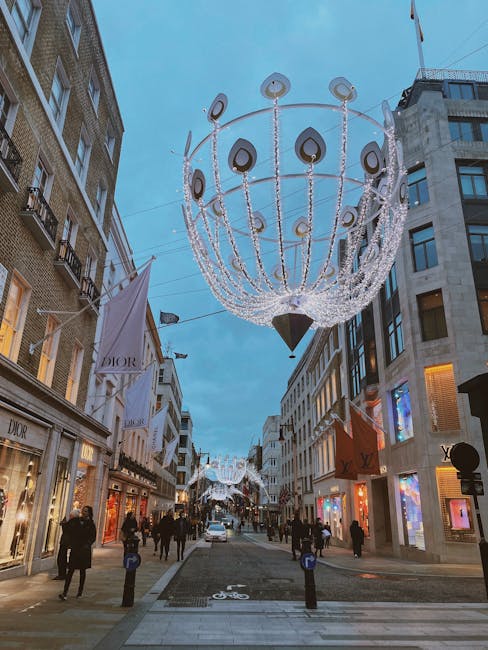
Bond Street boutiques: quick carpet cleaning checklist
If you run or manage a boutique near Bond Street, you already know the carpet can make or break the whole first impression. A polished display, careful lighting, fresh scent, then one dull patch by the doorway-and suddenly the room feels less luxury, more lapse. This guide to Bond Street boutiques: quick carpet cleaning checklist is built for busy retail spaces that need fast, sensible upkeep without disrupting customers, staff, or stock.
We'll cover why the checklist matters, how it works in a real boutique setting, the best quick-clean methods, common mistakes, and when a deeper professional clean makes more sense. If you also manage offices or multiple properties in the area, you may find our services overview useful, along with the practical guidance in our local take on Mayfair living and local guide to exploring Mayfair.
Truth be told, the quickest wins are usually the simple ones: remove grit before it spreads, blot spills before they settle, and keep a calm rhythm so the shop never looks mid-clean. Sounds basic. It is. But basic done well is exactly what keeps a boutique looking expensive.
Table of Contents
- Why Bond Street boutiques: quick carpet cleaning checklist Matters
- How Bond Street boutiques: quick carpet cleaning checklist Works
- Key Benefits and Practical Advantages
- Who This Is For and When It Makes Sense
- Step-by-Step Guidance
- Expert Tips for Better Results
- Common Mistakes to Avoid
- Tools, Resources and Recommendations
- Law, Compliance, Standards, or Best Practice
- Options, Methods, or Comparison Table
- Case Study or Real-World Example
- Practical Checklist
- Conclusion
- Frequently Asked Questions
Why Bond Street boutiques: quick carpet cleaning checklist Matters
Bond Street boutiques live and die by presentation. Customers notice the window display first, then the lighting, then the floor under their feet. Carpets in retail spaces take a steady beating from foot traffic, weather, shopping bags, coffee cups, umbrellas, and the occasional makeup spill. None of that is dramatic on its own, but it adds up fast.
A quick carpet cleaning checklist matters because it helps your team respond before small issues become visible ones. In a boutique, visible usually means costly. A dark track near the entrance or a faint stain under the fitting-room queue can subtly suggest that the whole space is less cared for than it really is. Not fair, but very real.
There's also a practical side. Clean carpets reduce the spread of grit that wears fibres down, and that can help preserve the floor covering for longer. If you're responsible for multiple interiors-say retail upstairs and a back-office space downstairs-keeping a routine in place is much easier than constantly reacting. For broader property upkeep, the advice in our smart real estate moves in Mayfair article and the broader deep cleaning service can be helpful context.
Key point: a boutique carpet checklist is not about scrubbing constantly. It's about fast, targeted action that keeps the shop looking intentional, clean, and ready for customers.
How Bond Street boutiques: quick carpet cleaning checklist Works
The checklist works by breaking carpet care into short, repeatable actions that staff can complete before, during, or after opening hours. In practice, that means checking the entrance, spotting debris, treating small marks quickly, and making sure moisture never sits long enough to leave a ring or a smell.
For most boutique environments, the process follows a simple logic:
- Inspect quickly: identify visible dirt, fibres, crumbs, and high-traffic wear zones.
- Remove loose soil: use a vacuum or spot brush before liquids are introduced.
- Treat the problem area: blot, do not rub, and use the right product for the fibre type.
- Dry properly: keep air moving and prevent lingering damp patches.
- Review at close: make sure no residue, odour, or edging marks remain.
That may sound straightforward, and mostly it is. The skill lies in knowing what not to do. A quick clean should be light-handed, especially on high-value wool blends or patterned showroom carpets. You are protecting the floor, yes, but also the atmosphere of the space. To be fair, the whole point of boutique retail is that nothing looks rushed.
If you need a fuller understanding of how professional cleaning fits into your wider maintenance plan, our carpet cleaning service for the area and one-off cleaning page give a useful sense of what can be arranged beyond daily upkeep.
Key Benefits and Practical Advantages
The obvious benefit is appearance. The less obvious one is control. When your team follows a short, well-designed routine, the carpet stops being a source of last-minute panic.
- Better first impressions: clean floors quietly support premium branding.
- Less visible wear: removing grit early helps reduce fibre damage.
- Fewer emergency clean-ups: small marks are dealt with before they spread.
- Safer customer movement: damp patches and debris are spotted early.
- More consistent standards: staff know what "good enough" looks like.
- Easier handovers: managers can quickly check whether the space is guest-ready.
There's a commercial benefit too. A tidy, well-kept boutique tends to feel more intentional, and customers often associate that with quality-even if they never say it out loud. It's the quiet stuff: no visible tracks, no musty smell, no fuzzy patch by the till. Just calm, easy refinement.
For shops with multiple touchpoints, this can also support your wider maintenance schedule. If your boutique is part of a mixed-use property or a larger business footprint, you may also want to review office cleaning options and house cleaning services for related spaces.
Who This Is For and When It Makes Sense
This checklist is for anyone responsible for keeping a Bond Street retail interior presentable without overcomplicating the process. That usually means boutique owners, store managers, floor staff, visual merchandisers, and property managers. If you're working in fashion, jewellery, beauty, fragrance, accessories, or luxury lifestyle retail, the expectations are even higher.
It makes sense when:
- you need a fast daily or weekly upkeep routine;
- the shop sees steady foot traffic from street level;
- you have pale or luxury carpets that show marks quickly;
- there are fitting rooms, display zones, or narrow entrances that trap dirt;
- you need staff-friendly instructions rather than a technical cleaning manual;
- you want to reduce the frequency of larger restorative cleans.
It also makes sense before events, buying appointments, trunk shows, press previews, or seasonal launches. If your shop hosts people who linger, photograph the space, or walk in with wet shoes after a London shower, then yes, the checklist earns its keep.
And if your boutique is part of a wider Mayfair property strategy, the background reading in buying homes in Mayfair and must-visit party venues in Mayfair offers a good sense of the area's premium environment and expectations. Different use case, same emphasis on presentation.
Step-by-Step Guidance
Below is a practical version of the quick carpet cleaning process you can train into a boutique routine. Keep it short. Keep it repeatable. Keep it realistic for a busy shop floor.
1. Start with a 60-second visual check
Walk the entrance, main aisle, till area, and fitting rooms. Look for visible debris, shoe marks, fresh spills, or crushed fibres. You don't need to inspect every inch. Just the places customers notice first-and where dirt tends to collect fastest.
2. Remove dry soil before touching stains
Use a vacuum with a clean brush head or a soft debris tool. Dry soil is the thing that turns a quick tidy into a messy smear if you add liquid too early. If you've ever watched a small stain become a larger grey patch, you'll know what I mean. Bit annoying, that.
3. Blot spills immediately
Use a white absorbent cloth or paper towel and press from the outside in. Do not rub. Rubbing pushes liquid deeper into the pile and can distort delicate fibres. If needed, repeat with fresh cloths until the area is only slightly damp.
4. Match the treatment to the fibre
Check the carpet type where possible. Wool, nylon, polyester, and blended fibres react differently. A branded stain remover may be fine for one area and far too aggressive for another. When in doubt, use a small test patch in a discreet spot before applying anything to a visible area.
5. Use minimal moisture
Quick carpet cleaning is not deep cleaning. It should not soak the backing or leave the room feeling humid. Use as little liquid as needed, then extract or blot thoroughly. In a boutique, excess moisture is a nuisance: it can slow reopening, trap smells, and make the floor feel unfinished.
6. Dry and ventilate
Open a door where safe, use air movement if available, and keep foot traffic off the area until dry. If you can place a subtle barrier or sign, even better. Nothing dramatic-just enough to stop someone stepping directly through your fresh work, because yes, somebody always will.
7. Finish with a reset
Brush fibres lightly if the carpet allows it, replace nearby mats, and check that the area blends back into the shop. The clean should disappear into the environment. That's the goal. Not a visibly "cleaned" patch, but a floor that simply looks right again.
Suggested order for a busy morning
- Inspect entrance and queue points.
- Vacuum dry debris.
- Blot any fresh mark.
- Treat carefully with the right product.
- Dry, ventilate, and recheck.
Expert Tips for Better Results
The best quick-clean routines are calm, not frantic. In our experience, the shops that keep their carpets looking consistently good tend to do a few small things very well.
- Keep a stain response kit on hand: don't leave staff hunting for cloths or spray bottles mid-incident.
- Use entrance matting properly: a good mat catches grit before it reaches the carpet, provided someone actually shakes it out regularly.
- Spot-clean at the edges: corners, baseboards, and display rails often show dirt first.
- Train staff on fibre safety: one wrong product can leave a halo or dull the pile.
- Record repeat issues: if a stain keeps returning, there may be a source problem rather than a cleaning problem.
- Schedule deeper intervention: quick cleaning is maintenance, not a substitute for professional extraction when needed.
One small but useful habit: treat the carpet like part of the display, not part of the background. That mindset changes how quickly people respond to drips, crumbs, and muddy prints. It really does.
If you're comparing ongoing upkeep with fuller refresh options, our spring cleaning service can help where a more seasonal reset is needed. For broader company information, the pages on about us and insurance and safety are worth a look too.
Common Mistakes to Avoid
Quick cleaning goes wrong when people rush the wrong step, not usually because they do something wildly reckless. A few small errors crop up again and again.
- Rubbing stains: this often spreads the mark and flattens fibres.
- Using too much water: leads to longer drying times and possible odour.
- Skipping dry debris removal: creates muddy smears instead of a clean result.
- Using one product for everything: not all fibres and stains behave the same.
- Ignoring the entrance zone: the first few metres usually show the most wear.
- Leaving the job half done: a patch that feels damp or sticky will collect dirt faster later.
Another mistake is assuming a small stain can wait until the end of the day. Sometimes that's fine. Often it isn't. A cream spill near a fitting room or a damp mark from weather at the doorway should be handled promptly, otherwise the floor starts telling a story you didn't want it to tell.
Tools, Resources and Recommendations
You do not need a huge kit to maintain boutique carpets well. You need the right small tools, and a few sensible housekeeping practices.
| Tool or resource | Best use | Why it helps |
|---|---|---|
| Vacuum with upholstery/soft brush attachment | Daily dry soil removal | Protects fibres while lifting grit before it spreads |
| White microfibre cloths | Blotting fresh spills | Easy to see transfer and avoid colour bleed |
| Mild, fibre-appropriate spot cleaner | Small marks and tracked-in residue | Reduces the risk of damage from harsh chemicals |
| Portable fan or ventilation plan | Drying after spot treatment | Helps the area reopen sooner |
| Entrance matting | Preventing soil ingress | Reduces the cleaning burden in the first place |
| Professional maintenance schedule | Periodic deeper cleans | Keeps the carpet from reaching a tired, flat finish |
If you need support planning a broader refresh, our pricing and quotes page can help set expectations, and request a quote is the next step if you want something tailored. For general enquiries, contact us is the easiest route.
For multi-use premises, it may also be worth reading the guidance on domestic cleaning in the area or upholstery cleaning if your boutique includes seating areas, fitting-room benches, or soft furnishings that gather dust and oils.
Law, Compliance, Standards, or Best Practice
Carpet cleaning in a retail setting is mostly about best practice, workplace safety, and sensible product use. Exact legal duties can vary depending on the premises, the products you use, and whether staff or contractors are involved. So it's worth keeping the approach careful and proportionate.
In a Bond Street boutique, the main compliance concerns usually include:
- Health and safety: damp floors, cords, and cleaning agents should not create slip or exposure risks.
- Safe storage: cleaning products need to be stored securely and clearly labelled.
- Staff training: anyone using spot cleaners should know what they are doing, even if the process is simple.
- Manufacturer guidance: always check the carpet and product instructions where available.
- Waste disposal: used cloths, packaging, and any contaminated materials should be handled responsibly.
It can also help to keep internal procedures written down, especially if you have rotating staff or seasonal hires. A short one-page process sheet is often better than a long manual nobody reads. If you want to understand how the company approaches safety and service standards, the pages on health and safety policy and complaints procedure are useful trust signals.
For shops dealing with customer flow, accessibility, or regular delivery traffic, it is sensible to keep routes clear while cleaning and to avoid creating temporary hazards. Common sense, really, but worth saying.
Options, Methods, or Comparison Table
Not every carpet problem needs the same solution. A boutique entrance mat mark is not the same as a deeper embedded stain near the till. Here's a simple comparison of the most common approaches.
| Method | Best for | Advantages | Limitations |
|---|---|---|---|
| Dry vacuuming | Daily dust, grit, lint | Fast, low risk, essential for upkeep | Won't remove stains or embedded residue |
| Spot blotting | Fresh spills | Immediate, inexpensive, protects fibre finish | Depends on quick staff response |
| Mild spot treatment | Localised marks | Effective on small incidents when used carefully | Needs fibre awareness and testing |
| Professional deep clean | Embedded dirt, odours, larger sections | More thorough, better for long-term appearance | Requires scheduling and drying time |
The right method depends on the situation. If a customer drops a drink, spot treatment is usually enough. If the carpet looks tired after a full season of traffic, a deeper service is more realistic. For a fuller mixed-property approach, the end of tenancy cleaning in Mayfair page is useful in understanding how thorough cleaning can support a handover or re-fit scenario.
Case Study or Real-World Example
Picture a small luxury boutique off Bond Street on a wet Thursday afternoon. Two staff members are on the floor, customers are coming and going, and someone has tracked in fine road grit at the entrance. Near the fitting rooms, a faint makeup mark appears on a pale carpet runner. Nothing dramatic. But if left alone until close, it will be harder to treat and more visible under evening lighting.
The team does a quick round: one person vacuums the entrance strip, another blots the makeup mark with a white cloth, and both check that the fibres are not being over-wet. A small fan is placed discreetly nearby. By the time the next appointment arrives, the carpet looks settled again, not obviously cleaned, just properly cared for.
That's the real value of the checklist. It buys time. It avoids panic. And it prevents small accidents from becoming floor-level gossip, which, in retail, is more common than people admit.
If the same boutique has an upstairs consultation room or office area, it may also be worth exploring office cleaning for the area so the whole premises stays consistent.
Practical Checklist
Use this as a compact, repeatable routine for staff. Keep it printed near the stockroom or cleaning cupboard if that helps. Simple is best.
- Check the entrance, queue points, and fitting rooms for visible dirt.
- Vacuum loose grit before any liquid cleaning.
- Blot fresh spills immediately with a white cloth.
- Test any spot cleaner on a hidden area first.
- Use only the amount of product needed for the mark.
- Avoid rubbing, scrubbing, or soaking the carpet.
- Dry the area with airflow or a clean absorbent cloth.
- Keep customers and staff off damp sections until safe.
- Recheck after drying for residue, odour, or a ring mark.
- Schedule a deeper clean if the carpet still looks flat or tired.
Practical summary: quick carpet care in a boutique is about speed, restraint, and follow-through. You act early, you use the right amount of product, and you leave the floor looking like it belongs in the space-calm, elegant, unbothered.
Conclusion
A good Bond Street boutique never feels cluttered, rushed, or neglected, and carpet care plays a bigger part in that than people often realise. A short, sensible cleaning checklist protects the first impression, reduces visible wear, and helps staff stay in control when spills or weather-related dirt appear during the day.
The best systems are simple enough to use without hesitation. That's the point. If your team can spot a problem, treat it carefully, and dry it properly, you'll avoid most of the messy little headaches that make a store feel tired. And if the carpet needs more than a quick fix, a professional clean can bring the whole room back to life.
For a premium retail space, the goal isn't perfection for its own sake. It's consistency. Quiet, dependable, well-kept consistency. That's what people notice, even if only for a second as they step through the door.
Get a free quote today and see how much you can save.
If you're ready to plan a deeper refresh or compare options for your boutique, start with our quote request form or browse the Mayfair carpet cleaning blog for more practical local guidance.
Frequently Asked Questions
How often should a Bond Street boutique use a quick carpet cleaning checklist?
For most boutiques, a short check once daily is sensible, with extra spot checks after wet weather, deliveries, or busy footfall periods. High-traffic entrance areas may need attention more often.
What is the fastest safe way to clean a small spill on boutique carpet?
Blot the spill immediately with a clean white cloth, remove any dry debris first, and use a fibre-appropriate spot cleaner only if needed. Avoid rubbing, because that usually makes the mark worse.
Can staff do quick carpet cleaning without damaging luxury carpet fibres?
Yes, if they are trained to keep moisture low, test products first, and avoid harsh scrubbing. Wool and delicate blends need extra care, so a light-touch process is best.
Do boutiques need professional carpet cleaning as well as daily upkeep?
Usually, yes. Daily upkeep handles surface dirt and small incidents, but deeper cleaning helps with embedded soil, odours, and the gradual flattening that comes with regular foot traffic.
What carpet areas in a boutique get dirty the fastest?
Entrances, till areas, fitting rooms, queue lines, and any space near seating tend to collect the most soil. These are the places to check first during a quick clean.
How do you stop carpets from looking tired in a busy retail space?
Use entrance mats, vacuum regularly, deal with spills quickly, and book periodic deeper cleans. A careful routine prevents grit from grinding into the fibres and making the carpet look old before its time.
Are carpet cleaning products safe to use during opening hours?
Some are, but it depends on the product, the carpet type, and ventilation. In a retail environment, it's wise to use low-moisture methods and keep customers away from damp areas until they are fully dry.
What should be included in a boutique carpet cleaning kit?
A vacuum with a soft brush attachment, white microfibre cloths, a gentle spot cleaner, gloves if needed, and a simple printed checklist are the basics. A small fan or ventilation plan helps too.
How do I know when a stain is beyond a quick clean?
If the mark has set, covers a wide area, keeps returning, or has left a visible ring or odour, it's probably time for a deeper professional treatment rather than another spot clean.
Is quick carpet cleaning different from deep cleaning?
Yes. Quick cleaning is for immediate, light maintenance and spill response. Deep cleaning uses more thorough methods to remove embedded dirt and refresh the carpet more fully.
Can a clean carpet really affect customer perception?
Absolutely. Customers may not consciously register the floor, but they do register whether a space feels cared for. A tidy, fresh carpet supports the overall sense of quality and calm.
Where can I find help if my boutique needs regular carpet maintenance in Mayfair?
You can start with the local carpet cleaning service page or ask for tailored support through the contact page. If you need a broader plan, the team can also help with related services and scheduling.