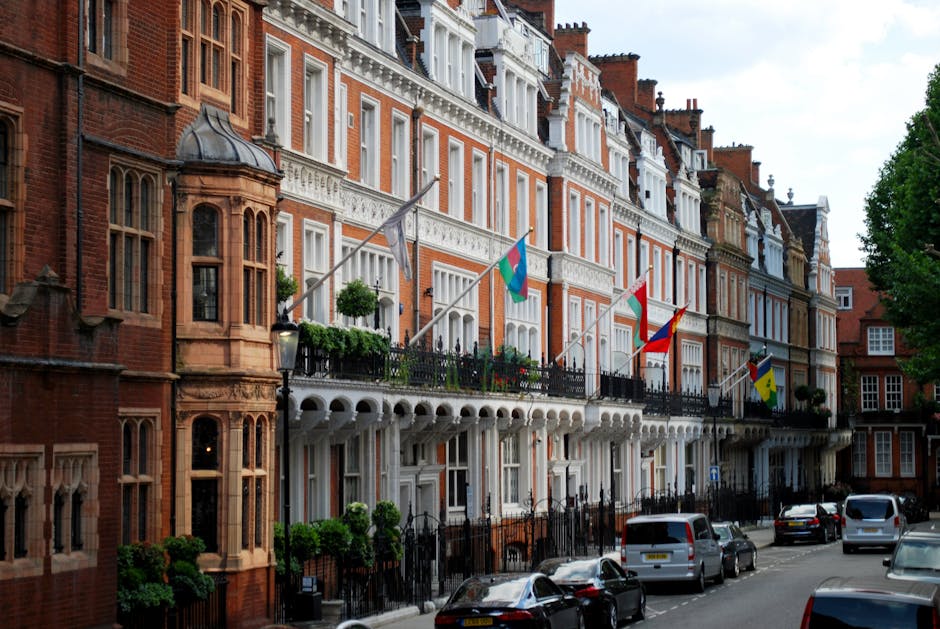
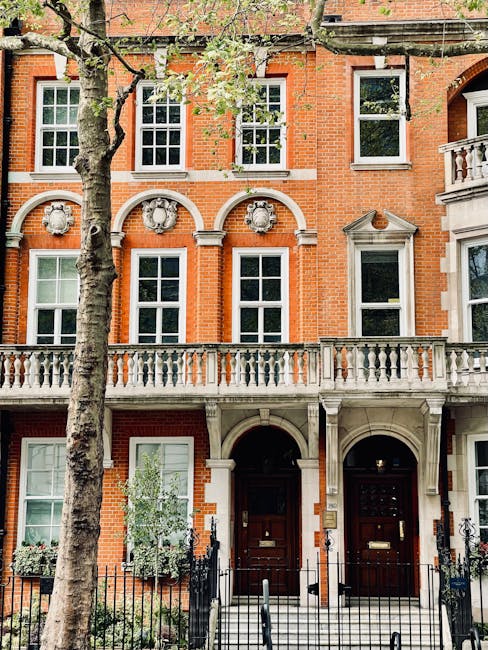
W1K townhouse carpets: Maintenance tips for Mayfair owners
Townhouse carpets in W1K do a lot more work than people sometimes realise. They soften echoing stairwells, take the edge off polished interiors, and quietly absorb the daily rhythm of Mayfair life - heels on the landing, muddy shoes after a wet London afternoon, guests drifting through for dinner, maybe the odd champagne spill if the evening runs long. If you own a townhouse here, carpet maintenance is not just about keeping things looking neat. It is about protecting a valuable interior, preserving fibres, and avoiding small issues that become expensive headaches later.
This guide gives you a practical, Mayfair-aware approach to carpet care: what matters most in townhouse settings, how to build a sensible routine, which mistakes to avoid, and when to bring in professional help. You will also find a checklist, comparison table, and a realistic example based on the sort of wear patterns that are common in W1K homes. If you are also comparing cleaning options across your property, you may find our services overview useful, along with our dedicated W1K carpet cleaning service page.
Truth be told, townhouse carpets are often judged too late - usually once a stair runner has darkened at the edges or a hallway has started to look tired under the natural light. The good news? A steady routine beats panic cleaning almost every time.
Table of Contents
- Why carpet maintenance matters in W1K townhouses
- How effective carpet maintenance works
- Key benefits and practical advantages
- Who this is for and when it makes sense
- Step-by-step guidance
- Expert tips for better results
- Common mistakes to avoid
- Tools, resources and recommendations
- Law, compliance, standards and best practice
- Options, methods and comparison table
- Case study or real-world example
- Practical checklist
- Conclusion
- Frequently asked questions
Why W1K townhouse carpets: Maintenance tips for Mayfair owners Matters
Carpets in a Mayfair townhouse are rarely just a background feature. They are part of the property's presentation, its comfort, and in many cases its long-term value. In W1K, where homes often combine period character with high-end furnishings, carpet condition can shape how polished a space feels the moment someone walks in. A clean stair runner, a well-kept landing, and fresh hallway carpet create the sort of quiet confidence that buyers, guests, and residents notice immediately.
There is also a practical side. Townhouses tend to have vertical traffic patterns: stairs, half-landings, upper hallways, and connecting rooms all see repeated use. That means dirt gets tracked in not only from the street, but moved through the house as people go up and down. Fine grit can act almost like sandpaper, especially on wool or blended fibres. Over time it dulls the pile and accelerates wear, usually in places that are easiest to miss until damage has already started.
Mayfair owners also face a different standard of expectation. Let's face it, in an area known for elegant interiors and carefully maintained homes, tired carpet edges or flattened pile can undermine the feel of the whole property. It is not vanity. It is stewardship.
If your property is used partly as an investment, or you are thinking about resale, this becomes even more relevant. Articles like investing in Mayfair real estate and our quick guide to Mayfair property investment both underline the same point in different ways: presentation matters, and maintenance is part of the asset strategy.
How W1K townhouse carpets: Maintenance tips for Mayfair owners Works
Good carpet maintenance works in layers. Think of it as a rhythm rather than a one-off task. You are dealing with everyday dirt, occasional spills, seasonal grime, foot traffic, and the particular pressures that come with stairs and narrow hallways. The aim is to remove soil before it settles, protect fibres before they become fragile, and clean deeply enough to restore freshness without damaging the carpet structure.
For most W1K townhouses, the process starts with prevention. That means mats or runners at entrances, shoes managed sensibly, and routine vacuuming in traffic-heavy areas. It then moves to spot treatment: dealing with spills quickly and correctly, not by scrubbing like mad, but by lifting and blotting in a controlled way. After that comes periodic deep cleaning, which may be professional hot water extraction, low-moisture cleaning, or fibre-appropriate dry methods depending on the carpet type.
Fabric type matters a great deal. Wool carpets, common in higher-end homes, behave differently from synthetics. Wool is resilient, but it dislikes harsh chemicals and over-wetting. Synthetic carpets may tolerate more frequent cleaning, but they can still retain grease and fine dust in the pile. Stair runners, meanwhile, often need more frequent attention because the pressure points are concentrated along the nose of each step and on the centre line of use.
In practical terms, the method you choose should match the carpet, the room, and the risk. A dusty guest bedroom is not the same as a busy entrance hall used every day. Obvious enough, but people still treat all carpets the same and wonder why one area always looks worse than the others.
Key Benefits and Practical Advantages
There are several good reasons to stay on top of carpet maintenance in a Mayfair townhouse. Some are obvious; others only become obvious after a few years of living with the house.
- Better appearance: Fresh, evenly maintained carpets make rooms feel cleaner and more composed, especially in staircases and entrances where first impressions are formed.
- Longer carpet life: Removing abrasive grit and tackling stains early helps preserve the pile and slows visible wear.
- Improved indoor comfort: Carpets trap dust and particles until they are removed by vacuuming or deep cleaning, so upkeep can make a room feel lighter and less stale.
- More predictable costs: Routine maintenance is usually easier to budget for than emergency stain removal or premature replacement.
- Better resale and rental presentation: If the property changes hands or is let, carpet condition influences how the whole interior is perceived.
- Reduced frustration: Minor upkeep prevents those annoying moments when a small patch starts distracting you every time you walk past it.
For townhouses used for entertaining, the difference can be surprisingly dramatic. A carpet that has been lifted, vacuumed properly, and spot-treated can make a whole floor feel calmer. That is the sort of thing guests might not praise directly, but they do notice it.
Who This Is For and When It Makes Sense
This advice is for Mayfair owners who want a sensible, elegant approach to carpet care rather than a frantic clean-up cycle. It suits:
- homeowners in W1K townhouses with stairs, landings, and multiple floors
- landlords or property managers looking after premium interiors
- owners preparing for sale, let, or a seasonal refresh
- busy households where carpets see heavy foot traffic from family, guests, or staff
- people with wool, Persian-style, or high-quality fitted carpets that need careful handling
It makes sense to act sooner rather than later if you notice flattening in traffic lanes, darkening on stair edges, a musty smell after damp weather, or repeated spots that never quite disappear. You do not need to wait until the carpet looks visibly bad. In fact, that is usually a little too late.
If your home is part of a broader cleaning schedule, you may also want to look at spring cleaning options in your area or house cleaning support for a fuller whole-home reset.
Step-by-Step Guidance
1) Start with a proper assessment
Walk the property slowly and look at the carpet in daylight if possible. Check stair treads, landings, door thresholds, and the edges where furniture sits. You are looking for traffic lanes, matting, loose threads, discoloration, and any lingering smells. A quick glance is not enough. Use your eyes, your nose, and a bit of common sense.
2) Vacuum more than you think you need to
High-traffic areas in W1K townhouses often benefit from frequent vacuuming, especially stairs and corridors. Slow passes work better than fast ones. Use the right attachment for steps and edges so you are not just moving dust around. If the machine is only making noise and not actually lifting dirt, it is basically a very expensive handbag.
3) Deal with spills immediately
Blot liquids with a clean white cloth or paper towel. Work from the outside of the spill inward so you do not spread it. For solids, lift first, then treat. Avoid rubbing, because rubbing drives the stain deeper and roughens the fibres. Use a small amount of suitable cleaner rather than soaking the area. Too much water is a common mistake and can leave marks, shrinkage, or lingering damp.
4) Rotate furniture and protect pressure points
In rooms where sofas, chairs, or console tables stay in place for months, the carpet under and around them can age unevenly. Shift items where you can. Use felt pads or suitable protectors under heavy legs. On stairs, consider where use is concentrated and whether a runner or protective treatment is sensible.
5) Schedule deep cleaning at sensible intervals
Deep cleaning should not be a panic response. It should be part of the calendar. Frequency depends on use, carpet type, pets, and whether the property is a full-time residence or a part-time home. Professional cleaning is often the safest route for valuable carpets, especially where fibres, dyes, or construction are delicate. If you want a local service matched to the area, our carpet cleaning in your area and deep cleaning support pages explain how a broader clean can fit into the picture.
6) Dry thoroughly and ventilate
After any wet cleaning, airflow matters. Open windows when weather allows, use heating carefully, and avoid replacing rugs or moving heavy furniture back too soon. Damp trapped under a piece of furniture can leave marks you really do not want. Mayfair basements and upper floors can behave differently here, so give the carpet time. Patience saves a lot of grief.
Expert Tips for Better Results
There are a few practical habits that make a noticeable difference, especially in townhouses with a mix of period detailing and modern living.
- Use entrance control: a good doormat outside and an absorbent mat inside can reduce the amount of grit pulled through the house.
- Focus on edges and stairs: these are the first places to show wear, yet they are often cleaned less carefully than open floor areas.
- Test any product first: even mild cleaners can affect colour or texture, particularly on wool or older carpets.
- Keep a stain kit ready: clean cloths, a neutral cleaner approved for carpets, and a small brush or spoon for lifting solids are usually enough for most household incidents.
- Watch humidity: rooms that feel stuffy or damp can encourage odour retention. A bit of ventilation goes a long way.
- Book based on use, not habit alone: a rarely used formal room and a busy staircase do not need the same treatment schedule.
One small but useful habit: when you vacuum, pause at the places your feet naturally turn, like the top of the stairs or the hallway corner. That is where soil tends to settle. Not glamorous, but it works.
If you are exploring broader home care in the area, domestic cleaning support and one-off cleaning services can complement carpet upkeep without turning your calendar upside down.
Common Mistakes to Avoid
Most carpet problems in townhouses do not start with one dramatic event. They start with a handful of small mistakes repeated over time.
- Using too much water: this is the classic one. Wetting the carpet heavily can drive stains deeper and increase drying time.
- Scrubbing stains aggressively: it feels useful in the moment, but it damages fibres and spreads the stain.
- Ignoring stair wear: stairs wear differently from flat rooms and need more attention than people often give them.
- Leaving spills overnight: a fresh spill is one thing; a set stain is a different story entirely.
- Using harsh bleach or random cleaners: what works on a kitchen tile is not necessarily safe for a premium carpet.
- Skipping drying time: replacing furniture or laying rugs too quickly can cause transfer marks or mildew risk.
- Cleaning only when the carpet looks dirty: by then, fine grit may already have done some damage.
To be fair, most of these mistakes happen because people are busy, not careless. A townhouse can run on a thousand tiny tasks, and carpet care slips down the list. Still, a little routine now saves a lot later.
Tools, Resources and Recommendations
You do not need a cupboard full of specialist gear to maintain townhouse carpets properly. A focused kit is usually better than a cluttered one.
| Tool or resource | Best use | Why it helps |
|---|---|---|
| Quality vacuum cleaner | Routine cleaning of stairs, landings, and rooms | Removes grit before it grinds into the pile |
| Crevice and stair attachments | Edges, corners, step noses | Helps reach where dust and crumbs collect |
| White microfibre cloths | Spill blotting and gentle spot work | Reduces colour transfer and lets you monitor progress |
| Neutral carpet-safe cleaner | Fresh spills and light spot treatment | Less likely to damage fibres or dye |
| Soft brush | Lifting dry debris or easing spot-cleaned fibres back up | Useful without being too abrasive |
| Professional inspection or clean | Valuable carpets, stubborn marks, whole-house refreshes | Safer for delicate materials and uneven wear patterns |
If you are comparing broader property support, the main Mayfair carpet cleaning blog can be useful for related local advice, while the about us page is worth a look if you want to understand the team and their approach before booking. For practical questions about what a visit may involve, our contact page is the simplest place to start.
Law, Compliance, Standards and Best Practice
For most homeowners, carpet care is not heavily regulated in the way that commercial cleaning or specialist restoration might be. Still, there are important best-practice considerations, especially where cleaning products, household safety, and property management are concerned.
In the UK, it is sensible to follow manufacturer guidance for both carpet fibres and cleaning products. That guidance is usually the safest starting point, because it reflects how the material was made to perform. If a carpet is handmade, antique, or unusually delicate, caution matters even more. Professional cleaners should also be able to explain how they will treat different fibres and what to expect around drying times and residual moisture.
From a safety point of view, keep cleaning chemicals stored properly, ventilate rooms when using them, and take care on stairs while carpets are damp. Slipping on a freshly cleaned stair runner is not the sort of story anyone wants to tell. If you employ help in the home, or are coordinating multiple service providers, it is also sensible to review practical policies such as insurance and safety and the relevant health and safety policy.
For clients who like clear boundaries and professional process, the site also provides useful supporting pages such as terms and conditions, pricing and quotes, and the privacy policy. Those pages do not clean a single carpet, obviously, but they do help set expectations, which is part of good service.
Options, Methods, or Comparison Table
Different carpet maintenance approaches suit different situations. The right one depends on fibre type, condition, and how much use the space gets.
| Method | Best for | Pros | Watch-outs |
|---|---|---|---|
| Routine vacuuming | Everyday upkeep | Simple, fast, essential | Won't remove set stains or deep soil |
| Spot cleaning | Fresh spills and local marks | Limits damage if done quickly | Can worsen stains if rubbed or over-wet |
| Low-moisture cleaning | Delicate carpets or quick turnaround needs | Shorter drying time | Not always enough for heavily soiled fibres |
| Hot water extraction | Many fitted carpets and deep soil removal | Strong soil removal when suited to the carpet | Requires careful drying and fibre compatibility |
| Professional dry cleaning | Some delicate or moisture-sensitive carpets | Lower water use | Results vary by carpet type and soiling level |
For most Mayfair townhouses, the answer is not one method forever. It is a combination. Regular vacuuming, quick spot treatment, and periodic professional cleaning usually work best. Simple, yes. But not always easy to stick to.
Case Study or Real-World Example
Consider a typical W1K townhouse with a fitted wool stair runner, a hallway carpet, and a formal reception room that sees guests only a few times a week. The owner notices the stair edges are going dull first, while the reception room still looks fine. A closer inspection shows fine grit near the front door, light traffic marks on the landings, and one faint stain on the second-floor hallway from a drink carried upstairs after dinner.
Instead of waiting for everything to look tired, the owner starts with a better entrance mat, increases vacuuming on stairs to a couple of times a week, and has the stair runner professionally cleaned before the busy social season. They also move one heavy side table slightly every few months to prevent patchy flattening. Nothing dramatic. Just steady care.
After that, the carpet looks more even, the traffic marks soften, and the house feels fresher without a full renovation. That is the real point here: not perfection, but control. A home like that should feel composed, not over-managed.
For owners in similar situations, combining carpet care with broader home maintenance can be efficient. Our office cleaning in Mayfair page may be relevant if you manage a mixed-use property or private office space, and the end of tenancy cleaning option can be useful if you are preparing a rental turnover.
Practical Checklist
Use this as a quick working checklist for townhouse carpet upkeep:
- Vacuum stairs, hallways, and entrances on a regular schedule
- Blot spills immediately, do not rub
- Test cleaners on a hidden spot first
- Keep moisture to a minimum during spot treatment
- Use entrance mats to reduce grit tracked inside
- Move furniture slightly from time to time
- Check stair runners and hallway edges for wear
- Allow carpets to dry fully after wet cleaning
- Book deep cleaning based on actual use, not just the calendar
- Review whether a delicate or valuable carpet needs specialist handling
Practical summary: if you do the everyday basics well, you usually avoid the expensive problems. If you wait until the carpet looks tired, you are already doing recovery work instead of maintenance. Small difference, big outcome.
Conclusion
W1K townhouse carpets deserve a maintenance routine that matches the character of the property. In a Mayfair home, carpets are not disposable decor. They are part of the atmosphere, the comfort, and often the long-term value of the interior. With a few sensible habits - frequent vacuuming, careful spill response, proper drying, and timely professional cleaning - you can keep stair runners, landings, and fitted carpets looking calm and well cared for.
The best approach is steady and realistic. No drama, no over-cleaning, no guesswork. Just a routine that respects the fabric and the home it lives in. And honestly, that tends to feel better too. A cared-for carpet makes the whole house breathe a little easier.
If you are ready to discuss your property, a specialist clean, or a maintenance plan for a busy townhouse, the next step is simple: use the local service information, ask a question, and get clear advice before small issues become expensive ones.
Get a free quote today and see how much you can save.
Frequently Asked Questions
How often should townhouse carpets in W1K be cleaned?
It depends on traffic, carpet type, and whether the property is lived in full-time. Busy stairs and hallways often need more frequent vacuuming and periodic professional cleaning, while formal rooms may need less frequent attention.
What is the best way to clean a spill on a wool carpet?
Blot it immediately with a clean white cloth, work from the outside in, and use only a small amount of carpet-safe cleaner if needed. Avoid rubbing and avoid soaking the area.
Are stair runners harder to maintain than fitted carpets?
Usually, yes. Stair runners concentrate wear on step noses and along the centre path, so they often show traffic lanes faster and need more careful vacuuming.
Can I use a steam cleaner on every carpet?
No. Not every carpet suits the same cleaning method. Wool, antique, or moisture-sensitive carpets may need gentler treatment. Always check the fibre type and product guidance first.
How do I stop carpets from smelling musty in a townhouse?
Ventilation matters. So does drying carpets properly after any wet cleaning and avoiding trapped moisture under rugs or furniture. If odours persist, there may be deeper soil or damp that needs attention.
What areas of a Mayfair townhouse wear out first?
Typically stairs, landings, entrance halls, and the turning points at the top and bottom of stairs. Those spots collect the most grit and pressure.
Is professional carpet cleaning worth it for a high-end property?
Often, yes. For valuable carpets or heavily used areas, professional cleaning can help protect fibres, restore appearance, and reduce the risk of accidental damage from DIY methods.
What mistakes do homeowners make most often?
The biggest ones are using too much water, scrubbing stains, waiting too long to treat spills, and forgetting that stairs need more attention than open rooms.
How can I tell if my carpet needs deep cleaning or just vacuuming?
If the carpet still looks dull after vacuuming, has visible traffic marks, or holds on to odours, it may be time for deeper cleaning. If the issue is isolated to one small spill, spot treatment may be enough.
Should I move furniture before carpet cleaning?
Yes, where practical and safe. Moving lighter items helps the cleaner reach more of the carpet and can reduce uneven wear. Heavy furniture should only be moved carefully to avoid damage.
Do I need to prepare my home before a carpet cleaning visit?
It helps to clear small items, fragile objects, and anything blocking access to the carpeted areas. If you want more clarity on the service process, the request a quote page is a good place to start.
Where can I get advice for other cleaning needs in the property?
If your carpet care is part of a bigger refresh, the site's Mayfair lifestyle guide and related service pages can help you plan a sensible next step without overcomplicating things.